The feature
The laugh inside the rock-and-roll shout
Jiles Perry Richardson turns flirtation into a piece of comic timing: the spoken asides, the exaggerated confidence, and the sudden return to the hook. The record is part novelty, part rockabilly performance, and completely aware that personality can be the main instrument.
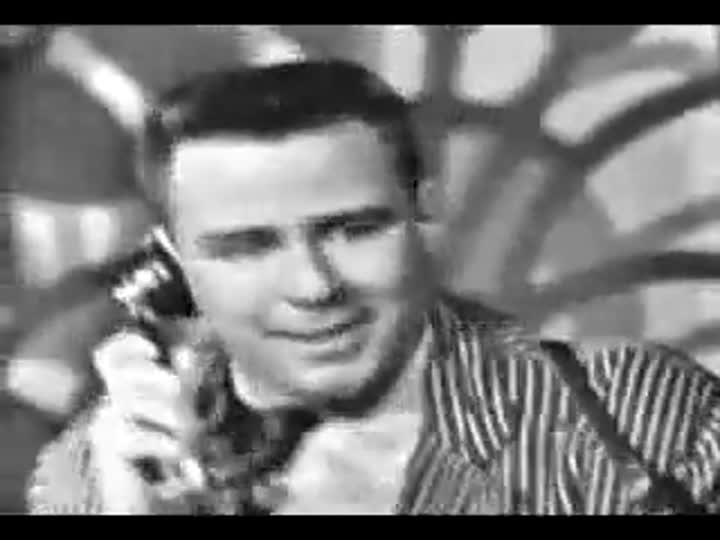
The record’s small invention is to make the listener a listener on the other end of the call. The Big Bopper’s interruptions and vocal poses create an imaginary conversation without needing a second singer, and the repeated address keeps the scene moving. In 1958, that was a sharp way to make a three-minute single feel like a miniature performance. The hook is catchy, but the real memory is the character: an entertainer who knows that a little overstatement can make a private flirtation public.
That theatrical directness explains why the song still feels immediate. It does not ask the listener to decode a mood; it opens the line, turns up the character, and lets the voice do the entertaining.